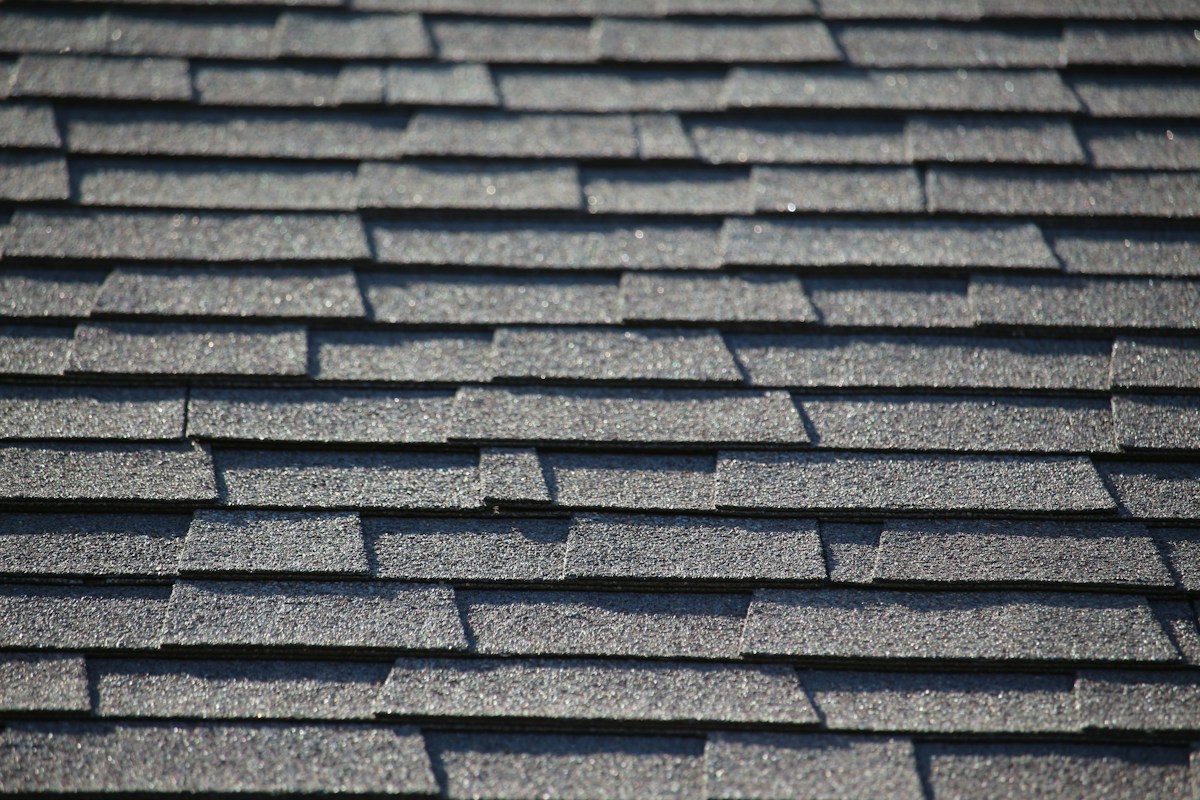
01
Shingle roofing
Compare colors, profiles, brands, and performance options.
Ask which product is being quoted, what its ratings mean, and which accessories are needed for the proposed warranty.

Before an installer submits a bid, you should know what you want quoted. Your Roof Design Consultant helps you choose the materials, understand the tradeoffs, and put the job in writing.
Browse the product libraryA Roof Design Consultant meets with you to discuss your home, the roof’s condition, and the options that suit the project. You can ask questions and decide what should go into the plan.
Compare colors, profiles, brands, and performance options.
Ask which product is being quoted, what its ratings mean, and which accessories are needed for the proposed warranty.

Explore tile styles, colors, profiles, and attachment systems.
Ask about the roof’s weight capacity, the underlayment, and the attachment design for your home.
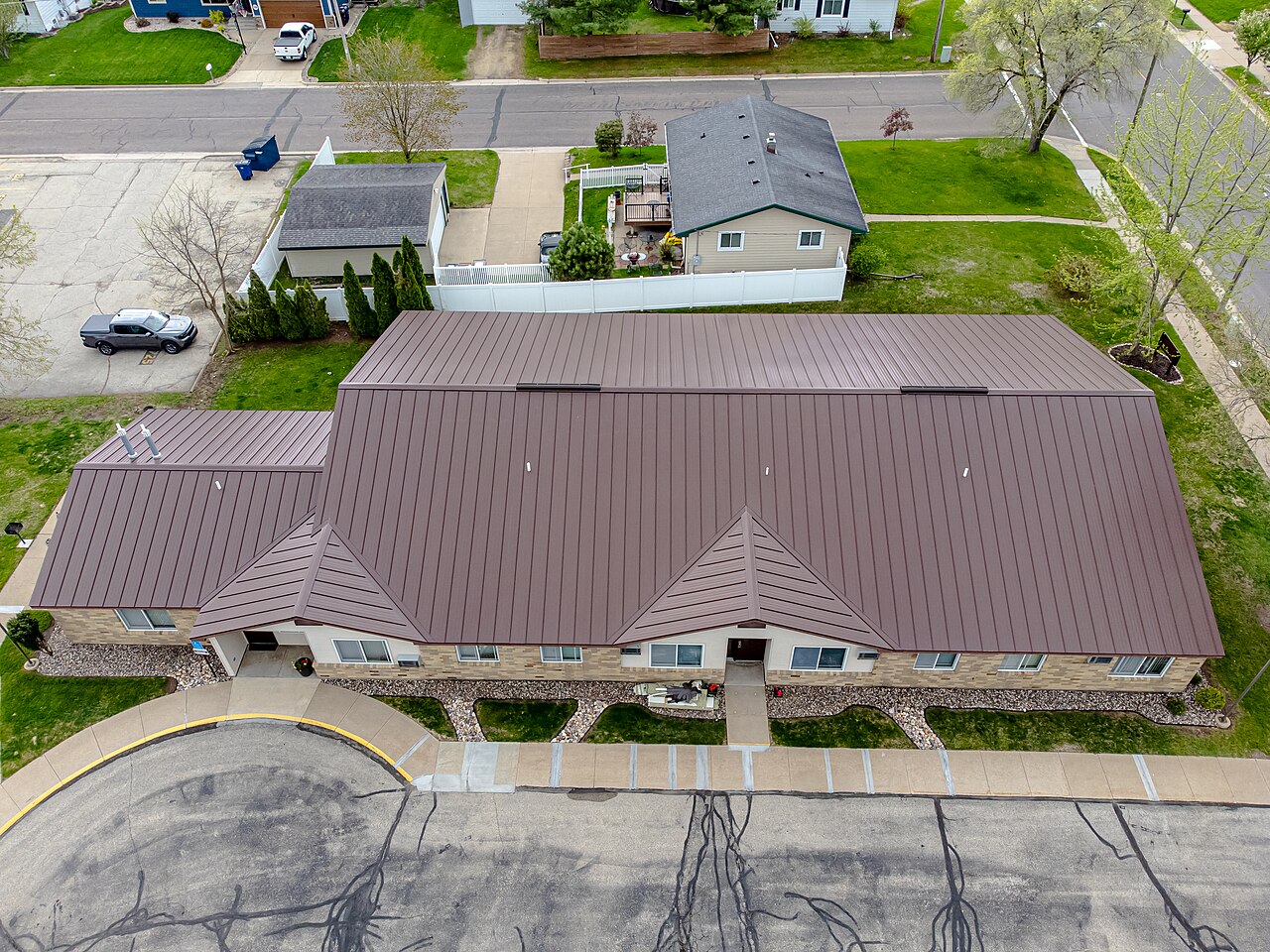
Review panel styles, finishes, gauges, and fastening systems.
Ask for the panel name, metal thickness, finish, and a clear explanation of what the warranty covers.
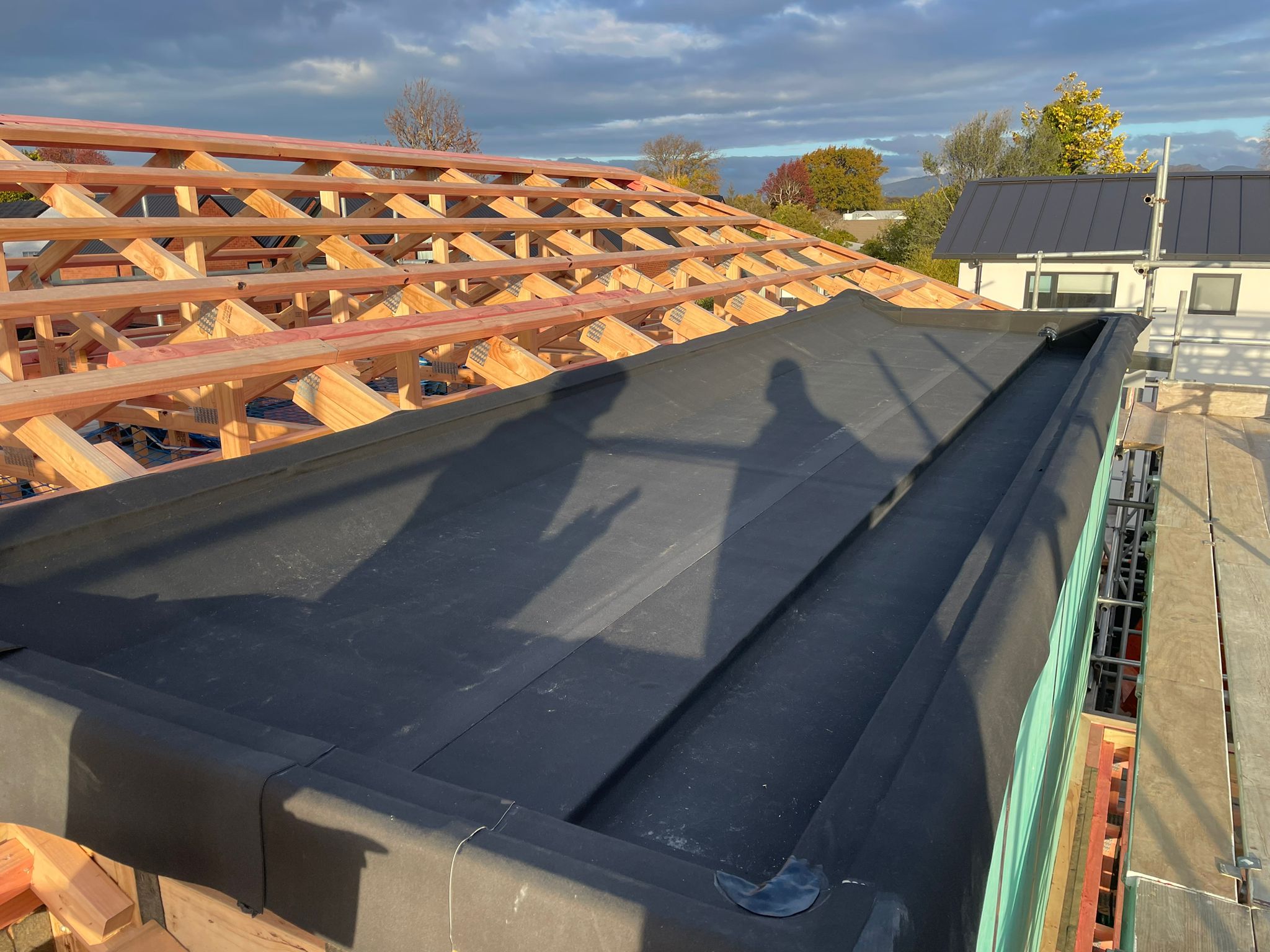
Talk through membrane systems, modified bitumen, and coatings.
Ask how the design handles drainage, seams, roof penetrations, and the condition of the existing roof.
Photos show roofing types, not the specific manufacturer products in the library below.
Your Design Consultant will help you work through these details. The selected products, included work, allowances, and unresolved questions belong in your Roof Passport.
Ask to see the product names and installation scope in writing before approving the plan for quotes.
Choose the actual product name, not just a brand. Two products from the same manufacturer can have different specifications and warranties.
Compare the shape, texture, and color of your options. Ask to see physical samples before you settle on a color.
Name the layers installed beneath the visible roof and how vulnerable areas will be waterproofed. These belong in the quote too.
Discuss where additional water protection is needed for your home, climate, and roof design. Record the chosen product and locations where it applies.
Decide how the edges, roof peaks, valleys, walls, and penetrations will be finished. List what will be replaced and what, if anything, will be reused.
Review the existing intake and exhaust arrangement with your Design Consultant. Put any proposed ventilation or attic work in the project scope.
State how much replacement roof decking is included, how hidden damage will be documented, and the price per sheet or unit for additional work.
Choose whether gutters, drainage work, or other optional improvements should be included. Separate optional prices so you can compare them.
Compare product coverage with the installer’s workmanship warranty. Ask who handles a claim, what is excluded, and whether extra coverage has installation or registration requirements.
Start with these four product profiles. Open a profile for specifications, life-expectancy context, ratings, maintenance, installation requirements, warranties, and available styles.
4 products
An architectural asphalt shingle with a layered look and a fiberglass base.
A concrete tile with a high, curved S-profile for a traditional tile-roof appearance.
A standing-seam steel panel with snap-together seams and concealed fasteners.
A single-ply membrane with heat-welded seams for a designed low-slope roof system.
Service-life ranges are general manufacturer guidance, not a promise about your home. A warranty has its own coverage, eligibility rules, and exclusions. Ratings may apply only to certain packages or complete assemblies. Confirm the exact products and current documents with your Design Consultant.
Manufacturer sources reviewed November 5, 2026. Product, color, and regional availability can change. These examples are not a list of approved RoofOnce contractors or a promise that a product is suitable for your roof.If something in a product sheet or proposal is unclear, ask your Design Consultant to explain it before you approve the work.
A unit of roof area equal to 100 square feet. A 2,000 sq ft roof is 20 squares before allowances for waste.
How steep the roof is. A 4:12 pitch rises 4 inches over 12 inches of horizontal distance. Product suitability depends on the roof slope.
Gauge describes sheet-metal thickness; for the same metal, a lower gauge number generally means a thicker sheet. A mil is one-thousandth of an inch and is often used for membrane thickness.
These refer to specific tests or approved roof assemblies. A wind test class is not automatically a wind speed. Impact resistance does not mean a roof cannot be damaged by hail.
A classification for a tested roof covering or assembly. Ask the installer to confirm that your specified materials and layers match the applicable listed assembly.
A manufacturer’s product warranty covers the stated product defects. A workmanship warranty addresses the installer’s work. Read each document to see who is responsible, for how long, and under what conditions.
Start a roofing request and work through your options with a Design Consultant.